

Acne can be a frustrating and often confidence-shaking experience for many. With countless products and routines claiming to offer solutions, it’s easy to feel overwhelmed. However, a well-structured acne skincare routine can make all the difference in achieving clearer skin.
Understanding the right steps and ingredients is crucial. From gentle cleansers to targeted treatments, each element plays a vital role in combating breakouts. This guide will break down an effective acne skincare routine, helping individuals navigate their way to healthier skin with confidence. Whether you’re dealing with occasional blemishes or persistent acne, the right approach can lead to visible improvements.
Understanding Acne and Its Causes
Acne is a common skin condition that affects individuals of all ages. It arises from several factors, including clogged pores, bacteria, and inflammation.
Types of Acne
- Comedonal Acne: Characterized by non-inflammatory lesions like blackheads and whiteheads, comedonal acne occurs when hair follicles become clogged with dead skin cells and oil.
- Inflammatory Acne: Includes papules, pustules, and cysts, inflammatory acne results from bacteria infecting clogged pores, leading to swelling and redness.
- Nodular Acne: This severe form involves large, painful lumps (nodules) beneath the skin surface. Nodular acne often requires medical intervention for treatment.
- Hormonal Acne: Primarily seen in teenagers and women, hormonal acne correlates with fluctuations in hormone levels, often appearing around the chin and jawline.
Factors Contributing to Acne
- Excess Oil Production: Overactive sebaceous glands generate more oil, leading to clogged pores.
- Hormonal Changes: Fluctuations in hormones, especially during puberty, menstruation, or pregnancy, can trigger acne flare-ups.
- Bacterial Growth: The presence of Propionibacterium acnes bacteria can exacerbate inflammation and infection within clogged pores.
- Dietary Choices: High-glycemic foods and dairy may worsen acne for some individuals by promoting insulin spikes and inflammation.
- Stress: Increased stress levels can lead to hormonal changes that exacerbate existing skin issues, contributing to acne development.
Essential Steps in an Acne Skincare Routine
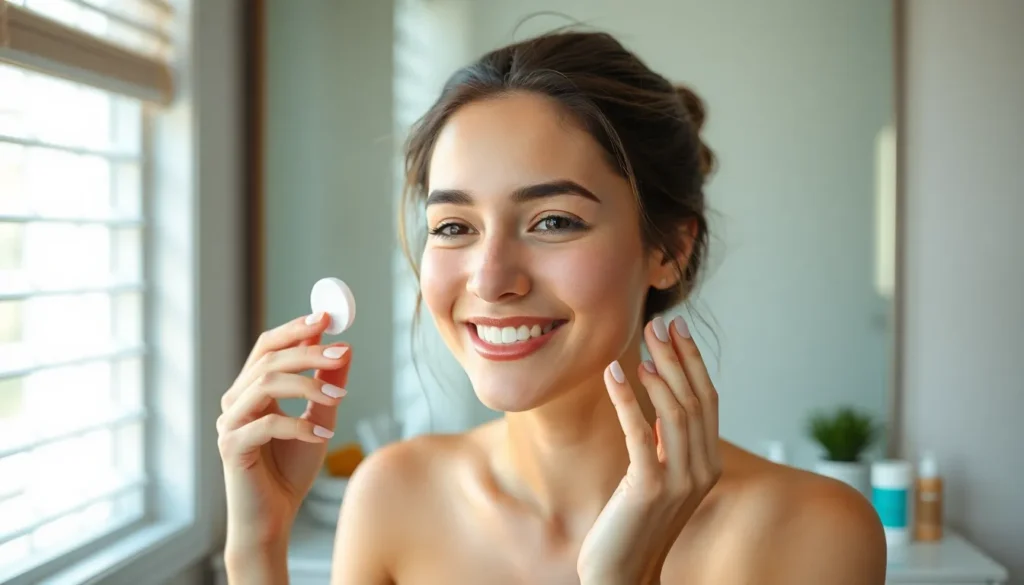
An effective acne skincare routine encompasses several key steps. Each step plays a vital role in managing breakouts and improving overall skin health.
Cleansing
Cleansing removes dirt, oil, and impurities from the skin’s surface. He or she should choose a gentle cleanser that contains salicylic acid or benzoyl peroxide, as these ingredients target acne-causing bacteria and unclog pores. Cleanse the face twice daily, ensuring that all makeup and excess oil are thoroughly washed away. Rinse with lukewarm water to prevent irritation.
Exfoliating
Exfoliating helps eliminate dead skin cells that contribute to clogged pores. It’s essential to select a chemical exfoliant with AHAs (alpha hydroxy acids) or BHAs (beta hydroxy acids) for effective acne treatment. Exfoliate two to three times a week, avoiding over-exfoliation, which can cause irritation and worsen acne. Focus on problem areas while gently massaging the product onto the skin.
Toning
Toning balances the skin’s pH and removes any residual impurities after cleansing. He or she should use an alcohol-free toner with ingredients like witch hazel or tea tree oil for their antibacterial properties. Apply toner using a cotton pad, sweeping it across the face and neck, paying special attention to acne-prone areas.
Moisturizing
Moisturizing is crucial for keeping the skin hydrated and preventing excess oil production. Opt for a non-comedogenic moisturizer that won’t clog pores. Look for lightweight, oil-free formulas containing hyaluronic acid or glycerin to maintain moisture. Apply moisturizer in the morning and evening as a part of the skincare routine.
Spot Treatment
Spot treatment targets active breakouts directly with high-concentration ingredients. Choose a product that includes benzoyl peroxide, salicylic acid, or sulfur for effective results. Apply a small amount directly to the blemish after cleansing and before moisturizing. Use spot treatment as needed, but avoid over-application to minimize skin irritation.
Key Ingredients to Look For
Selecting the right ingredients is crucial for an effective acne skincare routine. Certain compounds target the underlying causes of acne, helping to clear breakouts and improve skin health.
Salicylic Acid
Salicylic acid penetrates pores to dissolve excess oil and exfoliate dead skin cells. It acts as a beta hydroxy acid (BHA), targeting acne and preventing clogged pores, particularly effective for comedonal acne. Products with concentrations between 0.5% and 2% provide significant results without excessive irritation.
Benzoyl Peroxide
Benzoyl peroxide is a powerful antibacterial agent that kills acne-causing bacteria on the skin’s surface. This ingredient reduces inflammation and helps prevent future breakouts. Formulations typically contain 2.5% to 10% benzoyl peroxide, and those starting at a lower concentration can minimize irritation while remaining effective.
Retinoids
Retinoids, derived from vitamin A, promote skin cell turnover and prevent clogged pores, reducing both inflammatory and non-inflammatory acne. Prescription retinoids, such as tretinoin, offer the strongest benefits, while over-the-counter options typically include retinol. Incorporating retinoids gradually can decrease the risk of irritation.
Niacinamide
Niacinamide, also known as vitamin B3, enhances skin barrier function while regulating oil production. This ingredient helps soothe redness and inflammation, making it beneficial for acne-prone skin. Look for products containing 2% to 10% niacinamide for optimal effectiveness without irritation.
Lifestyle Tips for Managing Acne
Managing acne effectively involves not only a dedicated skincare routine but also adopting lifestyle changes that support skin health. Several key areas influence acne development: diet, stress levels, and sun exposure.
Diet and Nutrition
Diet plays a significant role in skin health. Foods high in refined sugars and dairy may exacerbate acne. Opting for whole foods, such as fruits, vegetables, lean proteins, and whole grains, can improve skin conditions. Antioxidant-rich foods such as berries, nuts, and green leafy vegetables combat inflammation. Omega-3 fatty acids, found in fish and walnuts, also contribute to skin health by reducing inflammation. Staying well-hydrated by drinking adequate water supports overall skin hydration and helps eliminate toxins.
Stress Management
Stress triggers hormonal fluctuations that can lead to increased oil production and breakouts. Incorporating stress management techniques can enhance skin clarity. Regular physical activity encourages the release of endorphins, which combat stress. Mindfulness practices, such as yoga or meditation, foster relaxation. Prioritizing adequate sleep also plays a vital role in stress reduction and supports the skin’s healing processes. Developing a consistent self-care routine reduces stress and its impact on acne.
Sun Protection
Sun exposure can aggravate acne and lead to post-inflammatory hyperpigmentation. Daily application of a broad-spectrum sunscreen with at least SPF 30 is crucial, even on cloudy days. Non-comedogenic sunscreen formulations help protect the skin without clogging pores. Wearing protective clothing and seeking shade during peak sun hours further minimizes sun exposure. A consistent sun protection regimen aids in preventing skin irritation and promotes a clearer complexion.
Achieving clearer skin is a journey that requires patience and commitment. A tailored acne skincare routine can make a significant difference in managing breakouts and improving skin health. By understanding the specific needs of one’s skin and incorporating the right products, individuals can effectively target the underlying causes of acne.
Lifestyle changes also play a crucial role in this process. A balanced diet, stress management, and sun protection are essential components that complement a solid skincare regimen. With the right approach and consistent effort, anyone can work towards healthier skin and renewed confidence.